
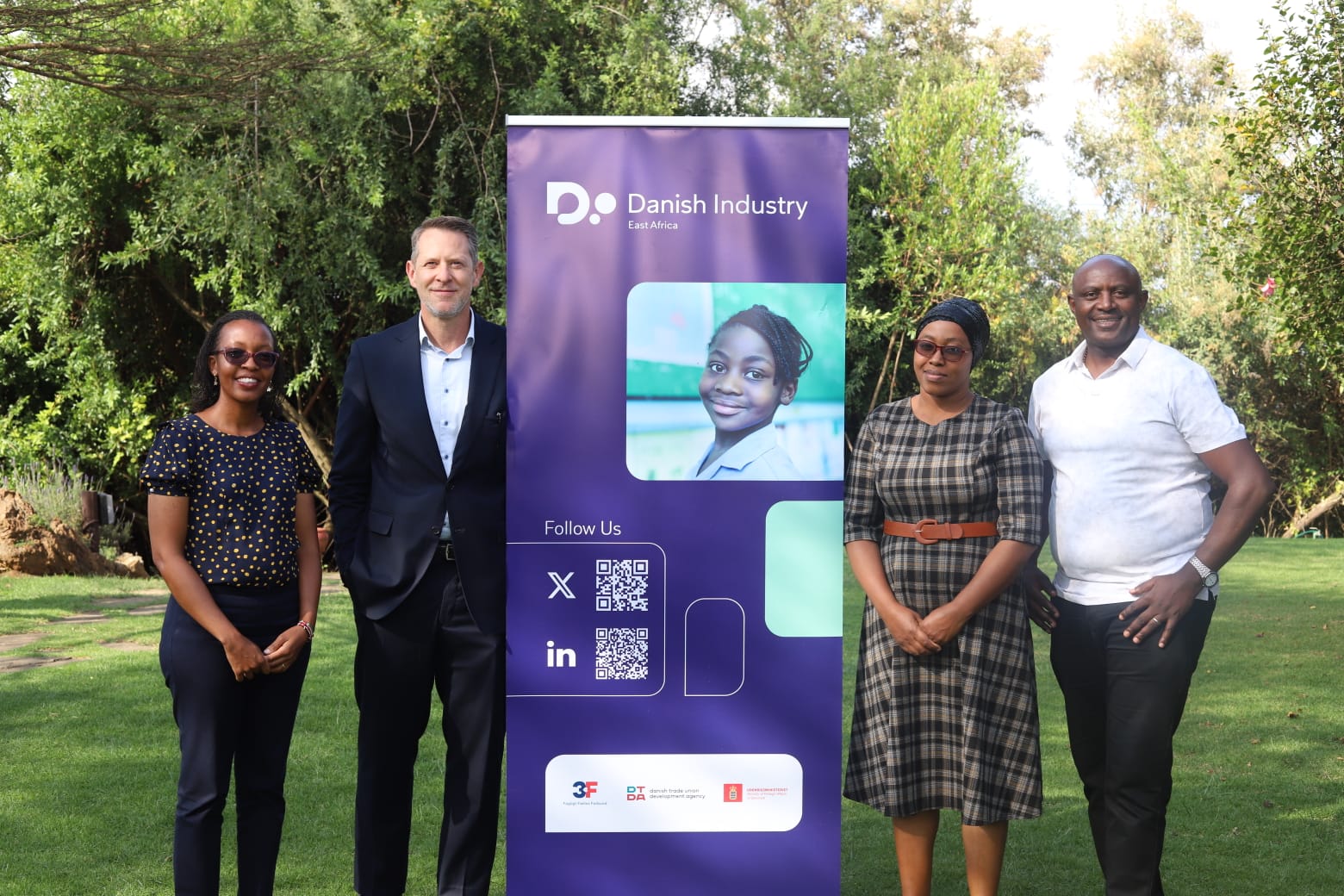
KEWI Participates in SPA3 Africa Partners Summit in Naivasha
The Kenya Water Institute (KEWI) participated in the SPA3 Africa Partners Summit, held from 18–20 August 2026 at the Great Rift Valley Lodge, Naivasha, bringing together partners from across Africa to reflect on the achievements and lessons of the Strategic Partnership Agreement (SPA2) and shape the next phase, SPA3, which is set to commence in January 2027.
The three-day summit provided a valuable opportunity for partners to look back on what has worked, what has proved challenging and, importantly, what needs to change to ensure that gains made under SPA2 are sustained and scaled. Discussions drew attention to progress in areas including curriculum development, work-based learning, industry engagement and Recognition of Prior Learning (RPL), while also emphasising the importance of moving successful interventions beyond project-supported pilots and embedding them within national TVET systems.
For KEWI, the summit was particularly significant as it provided a platform to share the Institute’s experiences in strengthening skills development in Kenya’s water sector. KEWI contributed to discussions on industry–TVET collaboration, work-based learning, green and digital skills, labour-market responsiveness and institutional sustainability—areas that are increasingly important as the water sector responds to technological change, climate pressures and evolving workforce needs.
One of KEWI’s notable contributions was the presentation of its financing and subsidy model under SPA2 as a success story in sustainability beyond grant support. The presentation highlighted how subsidies provided through the partnership have helped widen access to training and support skills development, while also raising an important question for the next phase: how can institutions progressively strengthen financing mechanisms so that successful interventions can continue even when external project funding comes to an end?
The experience generated practical reflections on the need for TVET institutions to develop realistic and sustainable financing approaches, strengthen ownership of interventions and explore ways of combining institutional resources, industry partnerships and other funding mechanisms. For KEWI, the discussion reinforced the importance of ensuring that investments made through partnerships create lasting institutional value rather than remaining dependent on grant funding.
A major part of the summit focused on developing the SPA3 programme and two-year work plans. Partners worked through priority areas, emerging challenges and opportunities within their respective sectors and considered how these could be translated into practical interventions aligned with the proposed results framework. This process provided an opportunity for KEWI to reflect on the Institute’s priorities and identify areas where partnership support can contribute to stronger, more responsive and sustainable water-sector skills development.
The final day, dedicated to TVET, brought together lessons from SPA2 and the 2025 Pan-African TVET Conference in Tanzania, with discussions centred on how proven approaches can be scaled and institutionalised. Partners also examined persistent challenges affecting TVET systems, including coordination gaps, inconsistent private-sector participation and the need to strengthen the integration of green skills, digital competencies and entrepreneurship into training programmes.
For KEWI, these conversations provided useful perspectives on the direction of TVET in a rapidly changing water sector. The Institute’s experience demonstrated that partnerships can be valuable not only in introducing new approaches, but also in testing models that can later be adapted, institutionalised and sustained.
As SPA2 draws to a close, the Naivasha summit therefore represented more than a reflection on the past. It marked a transition towards a new phase of partnership, learning and shared responsibility. SPA3 presents an opportunity for KEWI to build on the foundations established under SPA2, strengthen collaboration with industry and other stakeholders, scale approaches that have demonstrated value, and contribute to a more demand-driven, sustainable and future-ready TVET system.
KEWI looks forward to taking the lessons, experiences and commitments from Naivasha into SPA3 implementation from January 2027, with renewed emphasis on sustainable financing, industry partnerships, Recognition of Prior Learning(RPL), innovation, green,ddigital & entrepreneurial skills, work-based learning and stronger alignment between training and the changing needs of Kenya’s water sector.