
KEWI Sensitizes Students and Staff on Drug Abuse, HIV/AIDS and Mental Wellness
BY: Faith Taunet
"Wellness is the complete integration of body, mind, and spirit..." — Greg Anderson
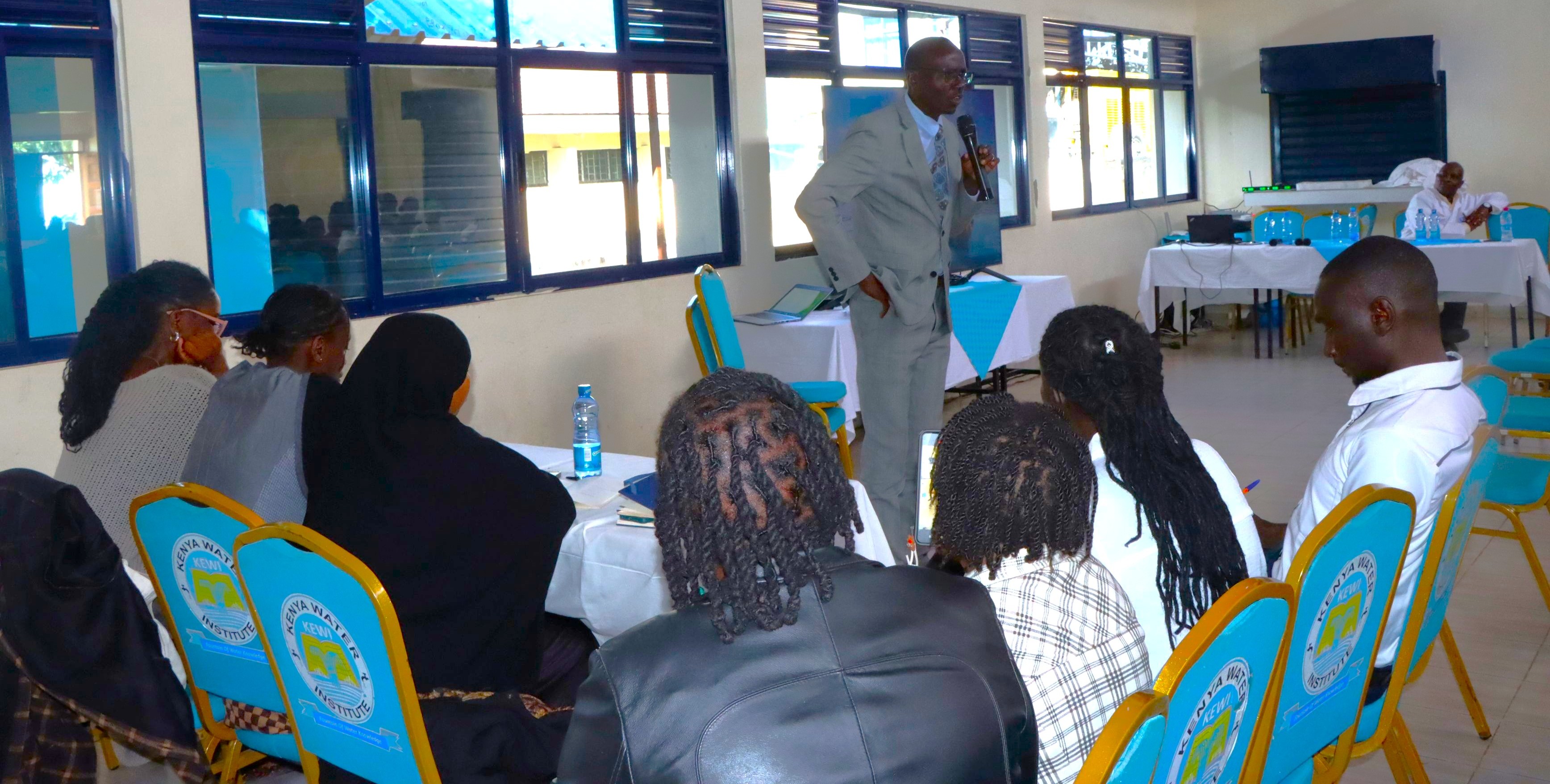
The Kenya Water Institute (KEWI) recently convened students and staff for a dynamic sensitization forum under the theme “Healthy Choices, Healthy Minds,” aimed at addressing drug abuse, HIV/AIDS awareness, and mental wellness. The initiative responded to growing concerns over substance abuse among young people and the need to strengthen awareness on mental health, HIV prevention, and responsible decision-making within the institution.
The event featured expert discussions from professionals in public health, counselling, and mental health, alongside vibrant performances and a student panel discussion that encouraged open dialogue on the challenges facing young people today. KEWI Peer Counsellors opened the forum with an engaging song aligned with the theme, setting the tone for the day’s activities, while the Dance Beyond Limits group reinforced the message of making healthy life choices through an energetic and educative dance routine.
Speaking on behalf of KEWI management, Dr. Emily Chepkoech, Registrar Academic Affairs, emphasized the role of mental wellbeing in guiding personal decisions. “Our minds guide the choices we make every day. When the mind is calm, positive, and well cared for, it becomes easier to make good decisions,” she said.
KEWI school counsellor Madam Rebecca Njeri added that mental wellness goes beyond the absence of illness. Individuals with a healthy mindset are better positioned to form meaningful relationships, avoid harmful habits, and remain focused on their goals. “It is okay not to be okay,” she reminded participants, urging students to seek support when feeling overwhelmed, and highlighting the long-term impact of wise decisions.
On drug, alcohol, and substance abuse, George Karisa, County Coordinator of the National Authority for the Campaign Against Alcohol and Drug Abuse (NACADA) in Nairobi County, warned that substances such as marijuana (bhang), alcohol, and khat (miraa) remain widely abused. Karisa highlighted emerging trends including polydrug use and weed-infused edibles, as well as risky behaviors involving tobacco, shisha, vaping, and prescription drug misuse. Public education, he emphasized, alongside institutional collaboration with KRA, KEBS, and KPS, remains central to curbing substance abuse.
HIV/AIDS awareness and prevention were addressed by counsellor James Ndugu Kiru, who highlighted that approximately 1.2 million Kenyans are living with HIV, with Nairobi recording one of the highest numbers of new infections. Kiru stressed the importance of preventive measures such as abstinence, consistent protection, and medical interventions including PrEP and PEP. He also introduced Lenacapavir, a new long-acting HIV prevention medication available in Kenya that offers protection for up to a year. “HIV is not a respecter of persons,” he said. “Consensual sex is good, but safer sex is greater. HIV prevention is everyone’s responsibility.”
Maurice Otieno Obongo, psychologist and Mental Health Regional Coordinator at the Kenya Prisons Service, explored the legal and psychological aspects of drug abuse. He outlined the legal consequences of drug possession and emphasized proactive mental health management. Stressors such as academic pressure, financial strain, loneliness, and social isolation, he noted, can contribute to mental health challenges, which, if untreated, may lead to substance abuse, academic decline, or even self-harm. Obongo advised students to safeguard their wellbeing through open communication, physical activity, financial planning, and seeking professional help when needed. He concluded with a simple decision-making formula: “ABC – Assume nothing, Believe no one, Confirm everything.”
The forum concluded with a student panel discussion on mental health, where students shared personal experiences and insights, emphasizing that mental wellness results from daily habits, supportive environments, and collective care.
Through interactive discussions, expert insights, and engaging performances, the KEWI forum created a critical platform for awareness, reflection, and learning. The initiative reinforced the institute’s commitment to nurturing a supportive environment where students and staff are empowered to make informed choices, promoting healthy minds and productive lives